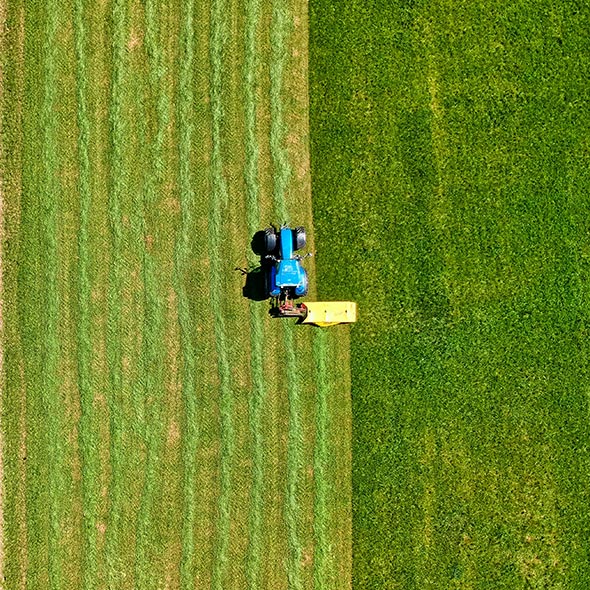
It is not by chance that the term chain derives from wire, because to understand all aspects related to an agricultural chain, we must imagine a wire that guides agricultural products from their production to the final consumer. But what does a consumer ask today? There is a constant increase in demand for quality, nutrient-rich, environmentally friendly, as-possible ready-to-eat and affordable food. Not easy. But if a supply chain is well organized it can offer all these advantages.
A real journey from the seed to our tables
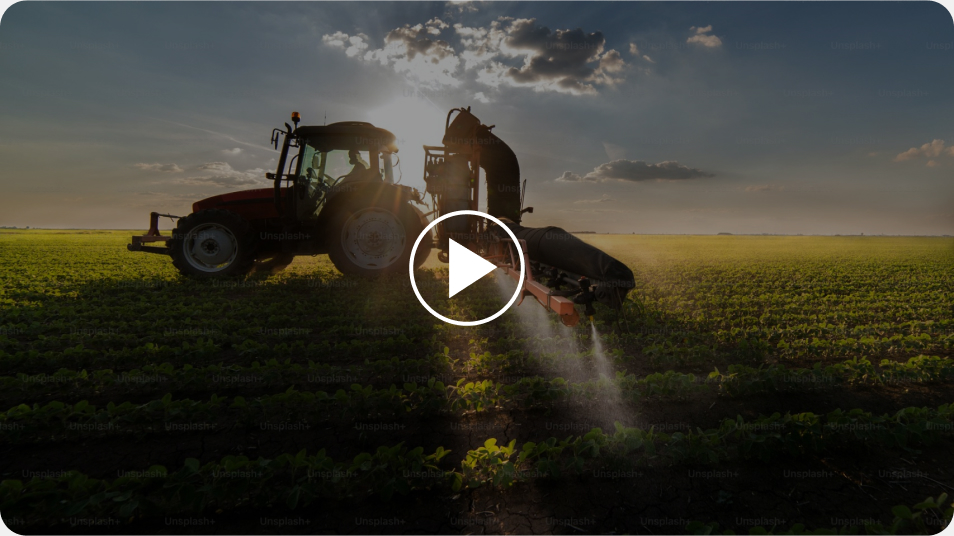
The agricultural supply chain is the sequence of steps and processes through which a product moves from selection, production, processing, distribution, to consumption, and each link in a chain can affect the quality of the product, the efficiency of the production process, but also the amount of nutrients it provides.
How food is “processed” along the chain can, in fact, affect nutritional content, price, the ease with which consumers can access it, and this, in turn, shapes consumer choices, dietary patterns, and even the coverage of nutritional needs. During food processing, processes can be optimized, for example, by controlling temperatures to ensure there is no loss of nutrients; logistics companies can employ storage, preservation, and transportation techniques that preserve nutrients; and consumers with proper home storage can prevent a product from spoiling. At every link in the chain, better technologies and management practices can thus preserve nutrients, reduce losses and waste, improve efficiency, and reduce prices.
This results in greater food production with less use of resources, such as water and land, and greater control over food safety and quality. A controlled supply chain also includes certification and traceability, which enable consumers to know the origin and quality of the products they buy. This transparency is also essential for building trust and ensuring compliance with quality, ethical and environmental standards.
As food moves along a supply chain, there are many opportunities to add quality and nutritional value. For example, it is important from the earliest stage of selection to choose agricultural varieties with hardiness characteristics and good nutrient levels. Take for example the supply chain of basil used to make a pesto. When we make it ourselves, we choose the finest leaves and process them according to our recipe.
The industry attentive to the concept of a controlled supply chain does the same. It chooses seeds of the most fragrant and flavorful varieties of basil and certifies their origin. It cares for the growth of seedlings by adopting, together with growers, specifications that reduce, for example, the use of pesticides, with an eye also to practices that protect the environment, using, for example, only the water needed. But what contributes most to maintaining quality is to choose the right time to harvest the basil, the time when the degree of ripeness, and therefore of nutrients and protective substances for our health, is at its maximum, and to transform it in the shortest possible time. And this happens within hours of harvesting: from field to mortar in no time at all!
Controlling the supply chain also acts on sustainability by mainly contributing to reducing food waste and lowering the impact of food production on the environment. By reducing food waste, limiting energy and water consumption, and creating more sustainable business models, food companies can, in the long run, increase profitability and also increase consumer confidence. In terms of supply chain stages, it is clear that the majority of environmental impacts occur through land use or at the agricultural production stage. This is the case, for example, with greenhouse gas emissions from within a farm or those from land use processes, water use. But conservation, distribution, retail and food consumption are also links in a supply chain acting on our planet.
The supply chain plays and will increasingly play a role in ensuring the nutritional needs of a growing world population, promoting sustainable development of farming communities, and addressing global challenges such as food security and environmental sustainability. Collaboration among all actors in the supply chain, from farms to consumers, is critical to ensuring an effective and sustainable food system for the future.
Learn more
- de la Peña, Isabel and Garrett, James and Gelli, Aulo, IFAD RESEARCH SERIES 30 – Nutrition-Sensitive Value Chains From a Smallholder Perspective: A Framework for Project Design (November 15, 2018). Nutrition-sensitive Value Chains From a Smallholder Perspective: A Framework for Project Design, September 2018; ISBN 978-92-9072-853-5, Available at SSRN: https://ssrn.com/abstract=3285071
- Morgan, E. H., Hawkes, C., Dangour, A. D. & Lock, K. (2018). Analyzing food value chains for nutrition goals. Journal of Hunger and Environmental Nutrition, doi: 10.1080/19320248.2018.1434106
- Global Alliance for Improved Nutrition (GAIN), Oxford Policy Management, 2020, Supply Chain Analysis for Nutrition tool (SCAN). https://www.gainhealth.org/resources/reports-and-publications/supply-chain-analysis-nutrition-tool-scan
- Deconinck, K. and L. Toyama (2022), “Environmental impacts along food supply chains: Methods, findings, and evidence gaps”, OECD Food, Agriculture and Fisheries Papers, No. 185, OECD Publishing, Paris, https://doi.org/10.1787/48232173-en .